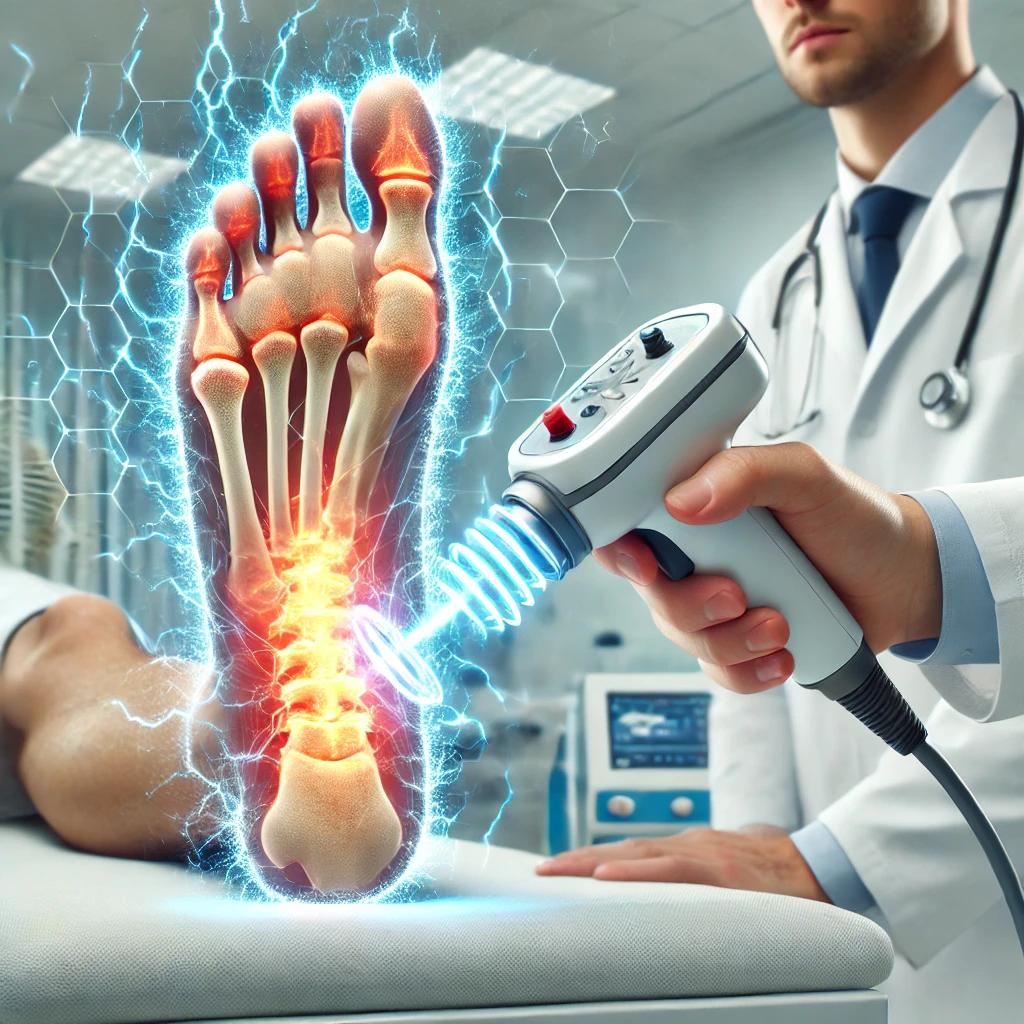
Shockwave Therapy for Bone Spurs: A Comprehensive Guide
Bone spurs can be a painful and limiting condition, often causing discomfort and restricting mobility. One emerging treatment option gaining popularity is shockwave therapy for bone spurs. This article will explore what bone spurs are, how shockwave therapy works, its benefits, potential risks, and what to expect during treatment.
What Are Bone Spurs?
Bone spurs, also known as osteophytes, are small, bony projections that develop along the edges of bones. They often occur in joints, including the spine, hips, knees, and shoulders. While bone spurs themselves may not always cause pain, they can lead to discomfort when they rub against nearby tissues, tendons, or nerves.
Causes of Bone Spurs
Bone spurs can develop for several reasons, including:
- Arthritis: Degenerative joint diseases, such as osteoarthritis, often lead to bone spur formation.
- Injury: Past injuries to a joint can trigger bone spur growth as the body attempts to heal.
- Overuse: Repetitive stress on joints from activities like running or lifting can contribute to their development.
- Age: As we age, the likelihood of developing bone spurs increases due to wear and tear on joints.
Understanding Shockwave Therapy
Shockwave therapy, also known as extracorporeal shock wave therapy (ESWT), is a non-invasive treatment that uses acoustic waves to promote healing and reduce pain. This therapy is commonly used for various musculoskeletal conditions, including tendinitis, plantar fasciitis, and, notably, bone spurs.
How Does Shockwave Therapy Work?
During a shockwave therapy session, a device generates high-energy sound waves that are directed at the affected area. The process involves:
- Stimulating Blood Flow: The sound waves increase blood circulation, which promotes healing and reduces inflammation.
- Breaking Down Calcifications: Shockwaves can help break down calcium deposits associated with bone spurs.
- Reducing Pain: The therapy may interfere with pain signals sent to the brain, providing immediate relief.
Benefits of Shockwave Therapy for Bone Spurs
Shockwave therapy offers several advantages for individuals dealing with bone spurs:
- Non-invasive: Unlike surgical options, shockwave therapy does not require incisions or anesthesia.
- Minimal Side Effects: Most patients experience mild discomfort during the procedure, but serious side effects are rare.
- Quick Recovery: Patients can typically resume normal activities shortly after treatment.
- Effective Pain Relief: Many individuals report significant pain reduction after a series of sessions.
What to Expect During Treatment
If you decide to pursue shockwave therapy for bone spurs, here’s what you can expect:
- Consultation: Your healthcare provider will evaluate your condition and discuss treatment options.
- Preparation: You may be asked to lie down comfortably, and a gel will be applied to the treatment area to facilitate the transmission of shockwaves.
- Treatment Session: The shockwave device will be applied to the affected area. Each session typically lasts 15 to 30 minutes.
- Post-treatment: You may feel mild soreness, but many patients notice immediate pain relief.
Potential Risks and Considerations
While shockwave therapy is generally safe, some individuals may experience:
- Mild Pain: Discomfort at the treatment site is common but usually temporary.
- Swelling: Some patients may experience slight swelling following the procedure.
- Bruising: Bruising can occur in some cases, but it typically resolves quickly.
It’s essential to discuss your medical history with your healthcare provider to ensure that shockwave therapy is a suitable option for you.
Is Shockwave Therapy Right for You?
Determining whether shockwave therapy is the right treatment for your bone spurs involves several factors:
- Severity of Symptoms: If you are experiencing significant pain and reduced mobility, shockwave therapy may be beneficial.
- Previous Treatments: Consider what other treatments you have tried and their effectiveness. Shockwave therapy can be an alternative if other methods have failed.
- Consultation: Always consult with a healthcare professional to evaluate your condition and discuss potential treatment outcomes.
Conclusion
Shockwave therapy for bone spurs presents a promising, non-invasive treatment option for individuals seeking relief from pain and discomfort associated with this condition. By stimulating healing processes and reducing pain, shockwave therapy can significantly improve quality of life for those affected by bone spurs. Always consult with your healthcare provider to determine the best course of action tailored to your specific needs.
Embrace the opportunity to enhance your mobility and reduce pain with shockwave therapy—your path to recovery may be just a session away!
Leave a Reply