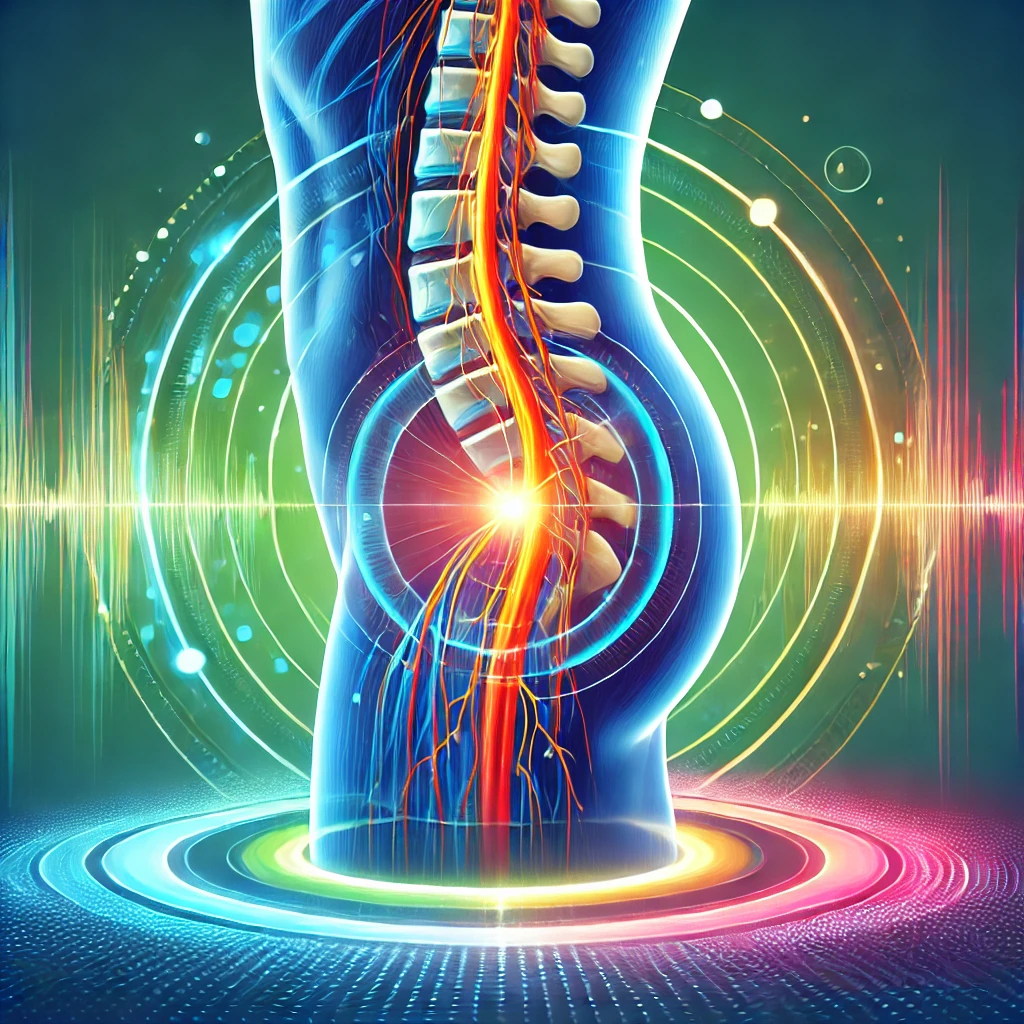
Sciatica is a condition characterized by pain radiating along the path of the sciatic nerve, which extends from the lower back, through the hips, and down each leg. This discomfort can range from mild to severe, significantly impacting a person’s daily life. Shockwave therapy, a non-invasive treatment, has been gaining attention as an alternative solution for alleviating sciatic nerve pain.
In this article, we will explore how shockwave therapy works for sciatica, the benefits of this treatment, and how it compares to other methods of pain relief for sciatica.
Understanding Sciatica
Sciatica typically occurs when the sciatic nerve is compressed, often due to a herniated disc, bone spur, or narrowing of the spine. The compression causes inflammation, pain, and sometimes numbness in the affected leg. Common symptoms of sciatica include:
- Sharp pain in the lower back, buttock, and down the leg
- Numbness or weakness in the affected leg or foot
- Tingling sensations
- Difficulty walking or standing
While sciatica can improve with time, the pain can be persistent and debilitating, requiring effective treatment to relieve the symptoms.
How Shockwave Therapy Works for Sciatica
Shockwave therapy uses acoustic waves to deliver high-energy sound pulses to the affected area. For sciatica, these waves penetrate the tissues surrounding the sciatic nerve, promoting healing and reducing pain. Shockwave therapy works by:
- Stimulating blood flow: The acoustic waves increase circulation, bringing more oxygen and nutrients to the affected tissues, accelerating healing.
- Reducing inflammation: The therapy helps reduce inflammation in the muscles and tissues surrounding the sciatic nerve, decreasing pressure on the nerve.
- Breaking down calcifications: In some cases, calcified tissue can compress the sciatic nerve, and shockwave therapy can help break down these calcifications, relieving the nerve.
- Desensitizing nerve endings: The waves help reduce the sensitivity of the nerve endings, thereby providing pain relief.
Benefits of Shockwave Therapy for Sciatica
Shockwave therapy offers a range of benefits for individuals suffering from sciatica:
- Non-invasive: Shockwave therapy is a non-surgical treatment, making it a safe option for those looking to avoid invasive procedures.
- Minimal downtime: Patients can often resume their normal activities shortly after treatment, with little to no downtime.
- Effective for chronic cases: This therapy is particularly effective for those with chronic sciatica who have not responded well to other treatments.
- Stimulates long-term healing: Shockwave therapy not only provides short-term pain relief but also promotes long-term tissue healing and repair.
What to Expect During Shockwave Therapy for Sciatica
During a shockwave therapy session, a healthcare provider applies a gel to the treatment area and uses a handheld device to deliver the shockwaves. The intensity of the therapy can be adjusted based on the patient’s tolerance level, ensuring comfort during the procedure. Most sessions last between 15 to 30 minutes, and multiple treatments are often recommended for optimal results.
While shockwave therapy is generally well-tolerated, some patients may experience mild discomfort or soreness after treatment, which typically resolves within a day or two.
Comparing Shockwave Therapy to Traditional Treatments for Sciatica
Let’s explore how shockwave therapy compares to more traditional sciatica treatments such as medication, physical therapy, and surgery.
Medications
- Pain relievers and anti-inflammatory drugs are commonly prescribed for sciatica. However, they often only provide temporary relief without addressing the root cause of the nerve compression.
- Shockwave therapy, in contrast, promotes healing and reduces the inflammation causing nerve compression, offering a longer-term solution.
Physical Therapy
- Physical therapy is a standard treatment for sciatica, focusing on stretching and strengthening exercises to alleviate pressure on the sciatic nerve. While effective, it can take weeks or months to see results.
- Shockwave therapy can complement physical therapy by speeding up the healing process and providing faster pain relief.
Surgery
- Surgery is typically a last resort for sciatica, involving procedures to remove or repair the structures compressing the sciatic nerve. However, surgery comes with risks, including infection and prolonged recovery times.
- Shockwave therapy is non-invasive and poses minimal risks, making it an appealing alternative for those looking to avoid surgery.
Who Can Benefit from Shockwave Therapy for Sciatica?
Shockwave therapy is a suitable treatment option for many individuals suffering from sciatica, especially those with chronic pain or those who have not responded well to other treatments. It can also be beneficial for people who want to avoid invasive procedures or medications with potential side effects.
However, not everyone is a candidate for shockwave therapy. Patients with certain conditions, such as blood clotting disorders, infections in the treatment area, or those who are pregnant, should consult with their healthcare provider to determine if this therapy is appropriate for them.
Conclusion: Can Shockwave Therapy Help with Sciatica?
Shockwave therapy offers a promising and non-invasive option for individuals suffering from sciatica. By promoting healing, reducing inflammation, and providing effective pain relief, this treatment can significantly improve the quality of life for those dealing with the condition.
If you’re struggling with sciatica and seeking an alternative to medications or surgery, shockwave therapy may be worth considering. Be sure to consult with a medical professional to determine whether it’s the right option for your specific situation.
Leave a Reply